- Essential Differences Between Interior and Exterior Paint Materials
- The Top-7 Paint Materials for Lasting Protection and Beauty in Kazakhstan
- Durability and Best Use Cases for Each Paint Material
- Factors Impacting Paint Durability
- Key Selection Criteria When Choosing Paint Materials for Delivery in Kazakhstan
- Trends and Recommendations for Paint Materials in Kazakhstan
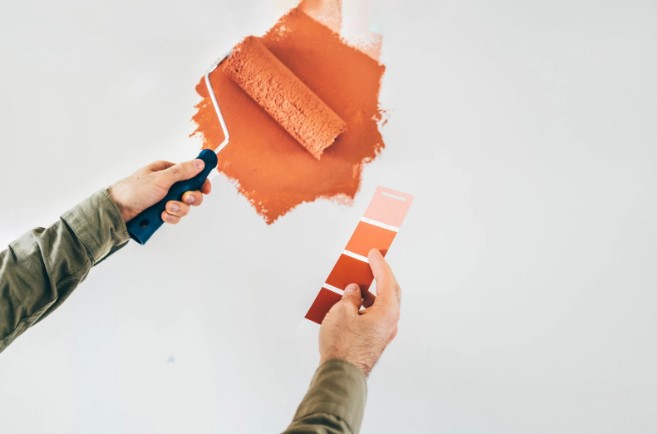
Essential Differences Between Interior and Exterior Paint Materials
Selecting the appropriate paint for interior or exterior finishing projects is more than just a matter of color preference. The environmental conditions and intended surfaces play a critical role in determining the most suitable product.
Interior paints are specifically developed for enclosed environments and typically prioritize low odor, minimal volatile organic compounds (VOCs), and easy cleaning properties. These paints are formulated to resist staining, allow for gentle scrubbing, and maintain their finish under regular household wear. Water-based (acrylic and latex) paints dominate this segment, prized for their non-toxicity, fast drying time, and vibrant color retention.
Exterior paints, on the other hand, must contend with Kazakhstan’s extreme temperature fluctuations, intense sunlight, wind, and occasional precipitation. As such, formulations emphasize UV resistance, moisture protection, and flexibility to prevent cracking or peeling. Oil-based and hybrid resin paints are commonly used outside, as their robust binders ensure superior adhesion and weatherproofing. Additives such as mildewcides and fungicides are often included to inhibit organic growth on facades or fences.
It’s also vital to consider the substrate–plaster, concrete, wood, brick, or metal–since each material may require specific primers or finishes to maximize adhesion and longevity. Specialized paint materials are available for surfaces exposed to high humidity, abrasion, or temperature swings, ensuring that every project achieves optimal results.
The Top-7 Paint Materials for Lasting Protection and Beauty in Kazakhstan
Kazakhstan’s demanding environment calls for finishing solutions that balance aesthetics, performance, and practicality. These are the seven most popular and effective paint materials for interior and exterior applications, each with unique strengths and ideal uses.
1. Acrylic Paints:
A favorite for both interiors and exteriors, acrylic paints offer excellent opacity, rapid drying, and formidable resistance to UV light and moisture. They adhere to a wide range of substrates and retain color vibrancy, even under intense sunlight. Their elasticity prevents cracking and makes them well-suited to Kazakhstan’s temperature fluctuations.
2. Latex Paints:
Based on water-dispersed polymers, latex paints are prized for their eco-friendly formulation and negligible odor. They are perfect for interiors–particularly walls and ceilings–thanks to their washability and resistance to mildew. While less robust than acrylics outdoors, new technologies have improved their exterior performance.
3. Alkyd (Oil-Based) Paints:
Alkyd paints stand out for durability and stain resistance, making them a reliable choice for trim, doors, kitchens, or commercial spaces. Their rich, glossy finish resists scratches and chemicals. Outdoors, they offer superior coverage and weather resistance for metal fences, railings, and wooden surfaces exposed to the elements.
4. Silicone-Based Paints:
For ultimate weatherproofing, silicone-based options provide unparalleled hydrophobicity. They repel water, resist soiling, and maintain breathability, preventing peeling or blistering on concrete, stucco, and masonry. Their longevity makes them a wise investment for facades or high-rise buildings.
5. Silicate Paints:
Made from potassium silicate, these mineral-based paints are highly vapor-permeable, resisting mold and bacteria. Their exceptional adhesion to stone and mineral substrates makes them ideal for restoring historic masonry, heritage sites, or sustainable housing projects.
6. Enamel Paints:
Renowned for their hard, glass-like finish, enamels excel on surfaces requiring tough wear–doors, radiators, furniture, and metals. Their smooth texture and sheen heighten visual appeal while offering significant protection from abrasion.
7. Decorative (Textured) Paints:
Innovative finishes such as Venetian plaster, suede, or stone imitation have surged in popularity for adding unique character to interiors. These decorative paints combine pigments with natural fillers or polymers, enabling the creation of tactile, visually striking surfaces that mask minor flaws and personalize any room.
New construction or renovation projects in Kazakhstan benefit from understanding these distinctions, allowing users to select paint types tailored to climate, substrate, and desired longevity. For convenient access to detailed specifications and a vast catalog, the company Kraska.kz offers on its website kraska.kz an extensive assortment of leading paint brands and materials, ensuring optimal solutions for any project size.
Durability and Best Use Cases for Each Paint Material
Evaluating paint durability involves balancing environmental stressors, maintenance expectations, and the unique demands of each application. Here is a closer look at the longevity and preferred scenarios for the seven leading paint types.
Acrylic Paints
- Durability: 7-10 years (exterior), 10+ years (interior)
- Best For: Facades, woodwork, concrete, high-traffic interior areas
Latex Paints
- Durability: 5-10 years (interior), up to 7 years (exterior)
- Best For: Drywall, plaster, ceilings, children’s rooms, allergy-prone spaces
Alkyd (Oil-Based) Paints
- Durability: 8-12 years (exterior), 10+ years (interior)
- Best For: Doors, cabinets, high-moisture spaces, metalwork, outdoor wood
Silicone-Based Paints
- Durability: 10-15 years (exterior)
- Best For: Concrete, stucco, brick, facades exposed to rain and sun
Silicate Paints
- Durability: Up to 20 years (exterior)
- Best For: Restoration projects, stone, mineral plasters, heritage buildings
Enamel Paints
- Durability: 7-12 years (depending on application)
- Best For: Radiators, window frames, metal fences, furniture
Decorative (Textured) Paints
- Durability: 7-10 years (interior, depending on texture and maintenance)
- Best For: Accent walls, creative zones, spaces needing personalized finishes
Factors Impacting Paint Durability
- Proper surface preparation and priming
- Use of compatible primers and topcoats
- Local climate and exposure conditions
- Adherence to manufacturer recommendations
- Regular maintenance and cleaning routines
Understanding these variables helps ensure that chosen paint materials deliver their full lifespan while minimizing the need for frequent touch-ups or costly repairs.
Key Selection Criteria When Choosing Paint Materials for Delivery in Kazakhstan
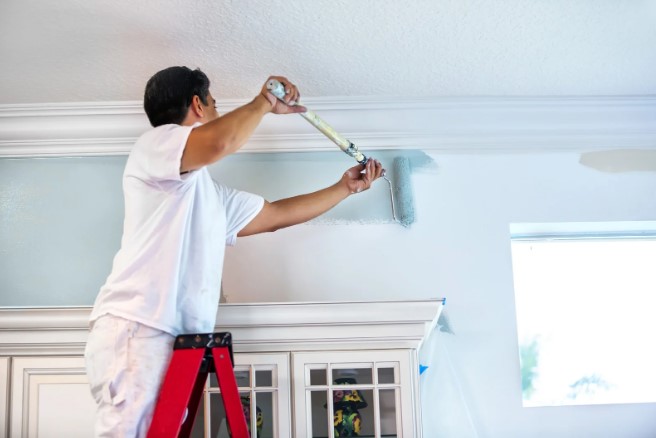
Selecting the right paint for your project is essential for achieving a lasting result. The company Kraska.kz ensures seamless sourcing of by offering:
- Wide Range of Products: Access to hundreds of paint types tailored to local needs.
- Technical Consultation: Expert advice on compatibility, application methods, and environmental suitability.
- Flexible Delivery: Reliable logistics across Kazakhstan, ensuring materials arrive on schedule.
- Certified Brands: Selection of leading manufacturers with proven track records in durability and safety.
- Custom Solutions: Options for bulk orders, color matching, and unique textures for special projects.
Relying on these criteria streamlines the paint selection process and guarantees successful project outcomes from start to finish.
Trends and Recommendations for Paint Materials in Kazakhstan
In Kazakhstan’s construction and renovation market, demand continues to shift toward eco-friendly, low-VOC paints that combine longevity with healthy indoor air quality. Advanced formulations for both decorative and protective applications are on the rise, reflecting a heightened focus on individualized design and extended durability. By selecting the right product and supplier, property owners achieve enduring value and peace of mind in every space.